
Meta Advantage+ Targeting: Complete Guide to Smart Audience Selection
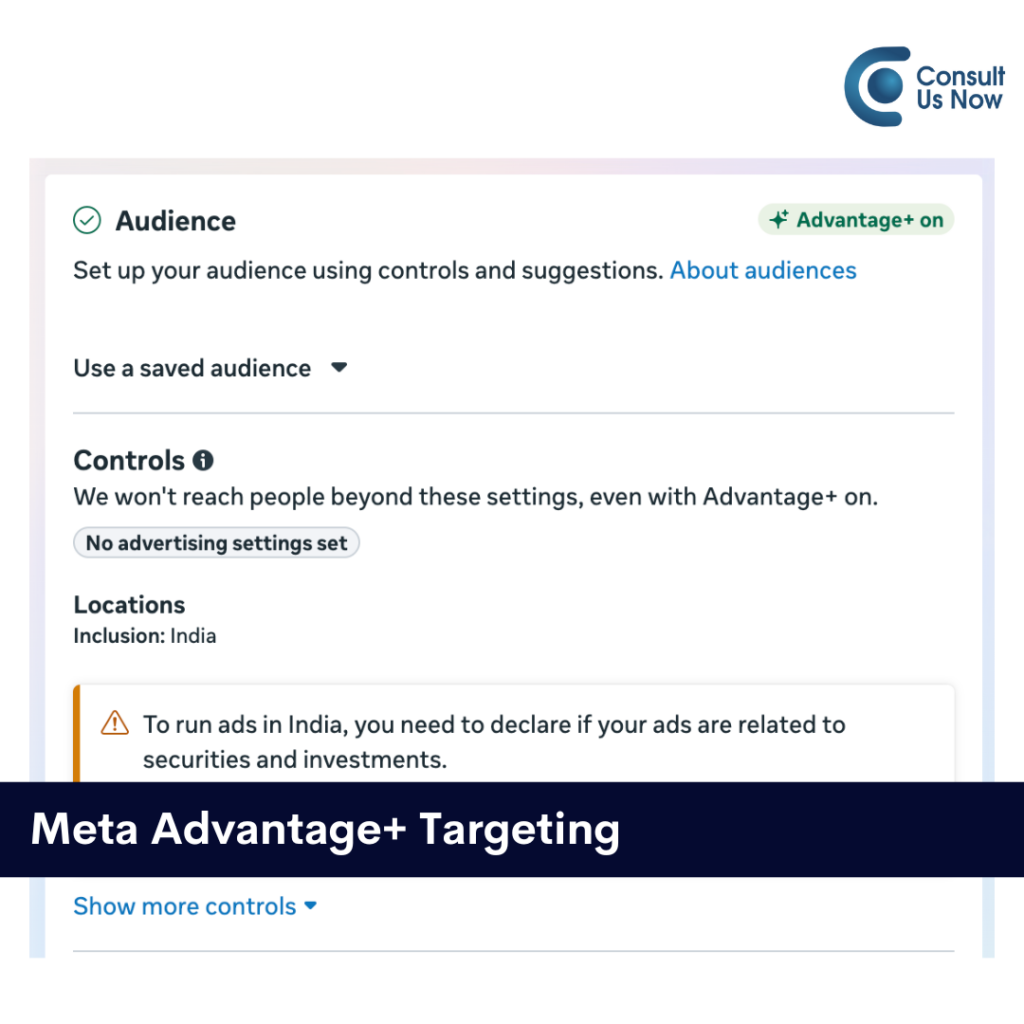
Understanding Meta Advantage+ Targeting is essential for modern digital marketers and advertisers. In this comprehensive guide, we break down everything you need to know about this powerful Meta Ads feature that can revolutionize your campaign performance.
The A/B Testing Strategy: Advantage+ vs Interest-Based Targeting
While I strongly believe Meta Advantage+ Targeting will deliver superior results, I recommend testing it yourself. Here’s the proven strategy:
Ad Set 1: Meta Advantage+ Targeting
Create your first ad set using Meta Advantage+ Targeting with a seed audience of your best customers. Let Meta’s algorithm learn and optimize to find similar high-value users automatically.
Ad Set 2: Interest-Based Targeting
In your second ad set, use traditional interest-based targeting with specific interests, behaviors, and demographics that your ideal customers match.
Run, Compare & Decide
Run both ad sets simultaneously with similar budgets. Track the key metrics:
– Cost per lead
– Lead quality
– Conversion rate
– Overall ROAS
After 5-7 days of data, compare the results. Whichever strategy delivers lower cost per lead and better lead quality is your winner. Scale that approach while pausing the underperformer.
How to Implement Meta Advantage+ Targeting
Step 1: Set Up Your Campaign – Start by creating a new campaign in Meta Ads Manager and select your primary objective
Step 2: Create Advantage+ Audience – Instead of detailed targeting, create a seed audience using your best customer data
Step 3: Let the Algorithm Learn – Meta’s algorithm will expand from your seed audience to find similar users
Step 4: Monitor and Optimize – Regularly review performance metrics and allow the system time to learn
My Belief
Based on real-world results across hundreds of campaigns, Meta Advantage+ Targeting consistently wins. It adapts in real-time, learns from your conversions, and finds your ideal audience at scale. However, different business models may see different results.
Share Your Results
If your testing reveals different outcomes – whether Advantage+ or interest-based targeting works better for your business – please share your results in the comments below. Let’s learn together and build a community of data-driven marketers2. Better Conversions – AI-driven optimization
Why Meta Advantage+ Targeting Works Better Than Traditional Interest-Based Targeting
One of the most significant advantages of Meta Advantage+ Targeting is that it removes the guesswork from audience selection. Traditional interest-based targeting relies on manual selection of specific interests, behaviors, age ranges, and demographics. This approach can be limiting because:
1. Limited reach – You might exclude valuable customers who don’t fit your predetermined interest criteria
2. Manual oversight – Campaign managers must continuously monitor and adjust interest parameters
3. Algorithm limitations – Interest data becomes outdated as user behavior and Meta’s categorization evolves
4. Campaign fatigue – Repeatedly targeting the same narrow audience can lead to ad fatigue and increased costs
Meta Advantage+ Targeting solves these problems by leveraging machine learning to automatically identify and reach high-value prospects. The algorithm learns from your best customers (based on your seed audience) and finds lookalike users across Meta’s platforms (Facebook, Instagram, Audience Network, and Messenger).
Key Performance Metrics to Track During Your A/B Test
When comparing Meta Advantage+ Targeting vs Interest-Based Targeting, focus on these critical metrics:
Cost Per Lead (CPL): The most important metric for lead generation campaigns. This tells you how much you’re spending to acquire each lead. Meta Advantage+ typically shows lower CPLs because it targets more efficiently.
Lead Quality Score: Not all leads are created equal. Track which targeting method brings higher-quality leads that are more likely to convert into customers. You can measure this by tracking which leads actually make purchases or schedule consultations.
Conversion Rate: The percentage of people who see your ad and complete the desired action (filling out a form, making a purchase, etc.). Meta Advantage+ often achieves higher conversion rates because it targets people who are more likely to be interested.
Return on Ad Spend (ROAS): This metric divides your total revenue from sales by your total ad spend. If you spend $100 on ads and generate $400 in sales, your ROAS is 4:1. Meta Advantage+ campaigns often achieve higher ROAS values.
Click-Through Rate (CTR): The percentage of people who see your ad and click on it. While CTR alone isn’t the best metric for conversion campaigns, it can indicate audience relevance.
Common Mistakes When Testing Meta Advantage+ vs Interest-Based Targeting
Mark these mistakes in your mind to avoid them:
Changing variables mid-test: Modify your creative, budget, or audience mid-test and you’ll never know which tactic actually worked. Run each test for 5-7 days with identical everything except targeting.
Insufficient budget: If your daily budget is too low ($5-10), the algorithm won’t have enough data to learn and optimize. Allocate at least $20-25 per day per ad set for optimal performance.
Inadequate learning period: Meta’s algorithm needs at least 50 conversions in the first 7 days to properly learn. If you’re running on small budgets with few conversions, the system can’t optimize effectively.
Pausing ads too quickly: Many marketers pause campaigns after 1-2 days if they don’t see immediate results. Give the algorithm 5-7 days to learn and optimize.
Ignoring audience quality: If your seed audience (for Advantage+ testing) consists of poor-quality leads, the algorithm will find similar poor-quality prospects. Always start with your best customer data.
Final Thoughts: The Future of Meta Advertising
Meta Advantage+ Targeting represents the evolution of digital advertising. While interest-based targeting will always have a place in your marketing arsenal, the data overwhelmingly shows that AI-powered audience solutions deliver better results for most campaigns.
The most successful advertisers aren’t choosing between Advantage+ and interest-based targeting – they’re testing both and allocating budget to what works best for their specific business, audience, and creative.