
From Browser to Buyer: Conquering Checkout Abandonment on Your E-commerce Site
From Browser to Buyer: Conquering Checkout Abandonment on Your E-commerce Site
The world of e-commerce is a bustling marketplace, filled with potential and promise. For any online business, the journey of a customer from discovering a product to adding it to their cart is a significant victory. Yet, a common and often silent frustration for entrepreneurs is the phenomenon of the abandoned checkout. This is the digital equivalent of a customer walking to the cash register with a full shopping basket, only to leave it on the counter and walk out the door. This moment represents a near-miss, a lost sale that was just a few clicks away from completion. Understanding the reasons behind this behavior is not just an academic exercise; it is a critical step in optimizing your sales funnel and boosting your bottom line. Tackling these issues often requires a multifaceted strategy, and partnering with the Best Digital Marketing Agency In Chennai can provide the expert insight needed to diagnose and resolve these crucial checkout issues, turning near-misses into successful conversions.
The Unwelcome Surprise: Navigating the Impact of Unexpected Costs
One of a customer’s biggest frustrations during an online purchase is the shock of last-minute fees. The primary culprit in this scenario is almost always unexpectedly high shipping costs. Throughout their browsing experience, a customer builds a mental model of the total cost based on the listed price of the products they have selected. They become comfortable with this figure and proceed to the checkout with a clear intention to pay that amount. However, when the final page loads and a significant shipping fee is added, it can feel like a breach of trust. This sudden increase in the total cost can make the customer feel that the pricing was not transparent from the beginning. In today’s competitive e-commerce landscape, where many of the largest retailers have normalized the concept of free delivery, customers have increasingly come to expect it as a standard offering rather than a luxury.
Also: Instagram marketing tips for small businesses
The psychological impact of this unexpected cost cannot be overstated. It immediately forces the customer to re-evaluate their purchase. Is the product still worth it at this new, higher price? The emotional investment they had in the item can quickly sour, replaced by a feeling of being nickel-and-dimed. To combat this, transparency is paramount. Instead of hiding shipping costs until the final step, businesses should strive to present them as early as possible in the purchasing journey. This can be achieved by including a shipping calculator on the product page or by clearly displaying shipping information in the cart summary. Another highly effective strategy is to offer free shipping thresholds, which encourages customers to increase their order value to qualify for the benefit. Alternatively, offering a predictable flat-rate shipping fee can remove the element of surprise and be more palatable to buyers. By addressing shipping costs with clarity and fairness, you can prevent the sticker shock that sends potential buyers running.
The Payment Gateway Predicament: Why Choice is Non-Negotiable
Assuming a customer is happy with the total price, including shipping, another significant hurdle awaits them: the payment process. A seamless payment experience hinges on offering a variety of convenient and trusted options. Forcing customers into a single, inflexible payment method is a surefire way to increase cart abandonment. Today’s consumers are accustomed to choice in every aspect of their lives, and how they pay is no exception. Different demographics have different preferences, shaped by habit, security concerns, and access to financial tools. Failing to accommodate these preferences tells the customer that their convenience is not a priority.
A robust e-commerce platform should offer a diverse portfolio of payment methods to cater to a wide audience. The foundational options include debit and credit cards, which remain the most common methods for online transactions globally. However, limiting yourself to only card payments can be a critical mistake. Cash on Delivery (COD) is another essential offering, particularly in markets where customers may be hesitant to share their financial information online or simply prefer the security of paying only when the product is in their hands. It acts as a powerful trust-builder for new customers. Furthermore, direct bank transfers provide a reliable and straightforward option that many users trust for both small and large transactions. By providing a suite of popular and secure payment gateways, you remove a significant point of friction. You are essentially communicating to your customers that you are prepared to do business on their terms, making them feel valued and secure as they complete their purchase.
The Registration Roadblock: The Critical Case for Guest Checkout
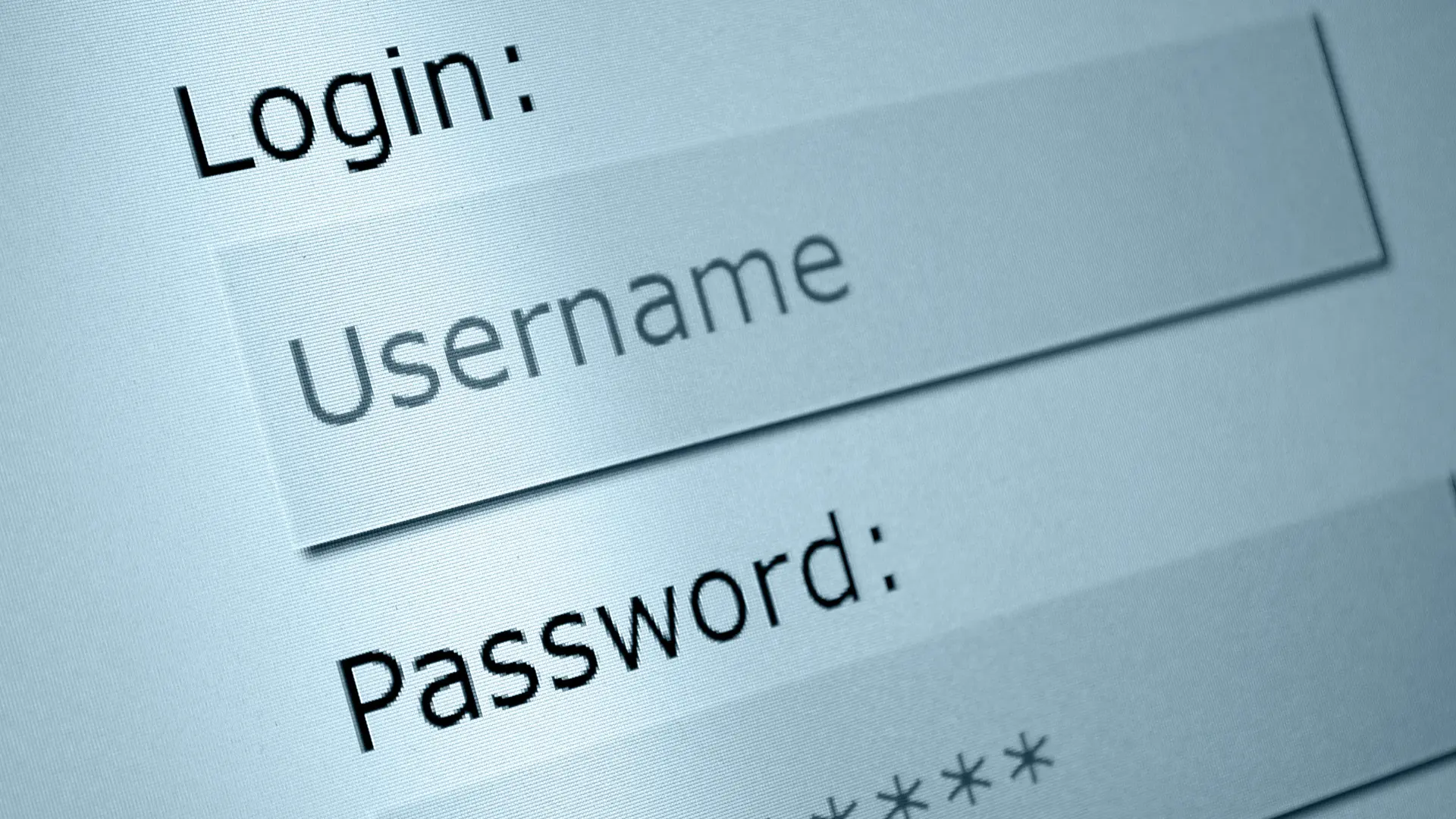
In the quest for a swift and painless transaction, few things are more discouraging to a potential buyer than being confronted with a mandatory account creation form. After a customer has invested their time in selecting products and is ready to make a purchase, the last thing they want is to be forced into the tedious process of creating a username, coming up with a secure password, and filling out a lengthy registration form. This demand for registration acts as a significant roadblock, interrupting the momentum of the purchase and creating unnecessary friction. For a first-time buyer who is simply looking to make a one-off purchase, the commitment of creating an account can feel burdensome and intrusive. They may not want to receive marketing emails or have their personal information stored, and this requirement can be enough to make them abandon the entire transaction.
The solution to this problem is both simple and profoundly effective: offer a “guest checkout” option. A guest checkout respects the customer’s time and their desire for a quick, low-commitment transaction. It allows them to enter only the essential information required to complete their order—their name, shipping address, and payment details—without the obligation of creating a permanent account. This streamlines the entire process, reducing the number of steps and clicks required to finalize the sale. This does not mean that you have to forgo the opportunity to gather customer data. The ideal approach is to offer the option to create an account after the purchase has been successfully completed. On the order confirmation page, a simple prompt such as “Want to make future checkouts faster? Save your details by creating an account” is far more likely to be well-received. At this stage, the customer is already satisfied with their purchase and is more open to the convenience that an account offers. By making registration an option rather than a requirement, you prioritize the immediate sale while still leaving the door open for a longer-term customer relationship.
In conclusion, the path to reducing cart abandonment is paved with transparency, flexibility, and convenience. The frustration of seeing a full cart left behind is not a sign of a disinterested customer, but rather a clear signal that there are friction points in your checkout experience. By addressing the three primary culprits—unexpected shipping costs, limited payment options, and forced account creation—businesses can dramatically improve their conversion rates. It is essential to approach your checkout process from the customer’s perspective, anticipating their needs and removing any potential barriers. Once your website is optimized to provide a seamless journey from browsing to buying, the next logical step is to drive high-quality, targeted traffic to your digital storefront. Leveraging the expertise of a professional YouTube Advertising Company In Chennai can be a powerful strategy to reach and engage potential customers, bringing them to an online store that is fully prepared to turn their interest into a completed sale.